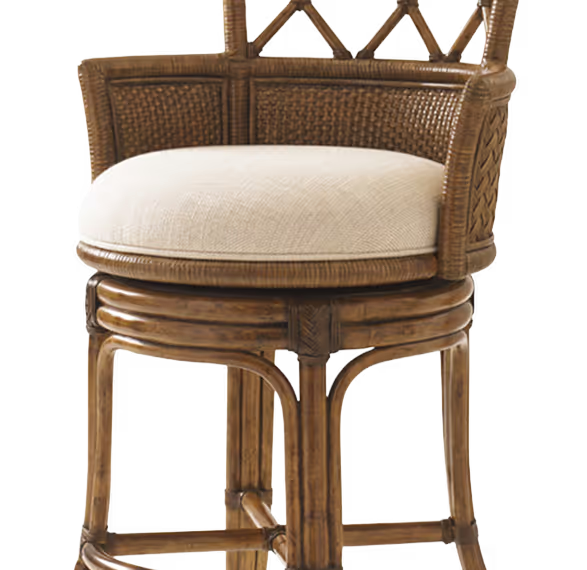
Generate Perfect Product Silos from 3D Models in Minutes
High-quality product silo images are essential for ecommerce, marketplaces, catalogs, and digital marketing. But producing consistent product photography for every product variant can quickly become slow, expensive, and difficult to scale. With AI Photo Studio, you can generate clean, high-resolution product silos directly from your existing 3D models in minutes.
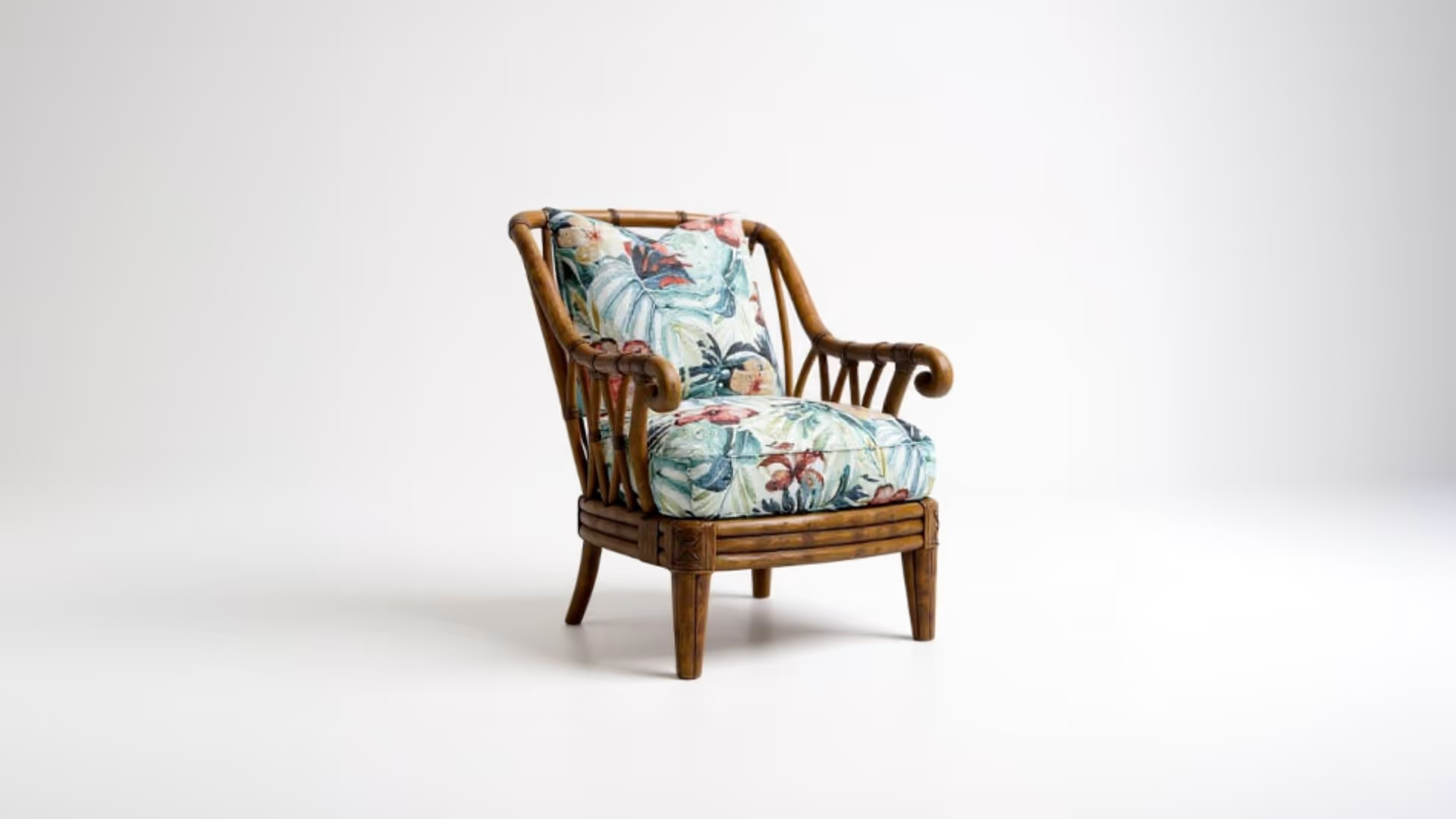
For many furniture manufacturers, product imagery is still one of the biggest bottlenecks in launching and maintaining a digital catalog. Traditional product photography requires studio time, logistics, product preparation, and careful planning to capture the most important variants. Because of this effort and cost, brands often limit photography to only a small portion of available configurations. As a result, many products are sold online without accurate visuals or with images that do not perfectly match the selected configuration.
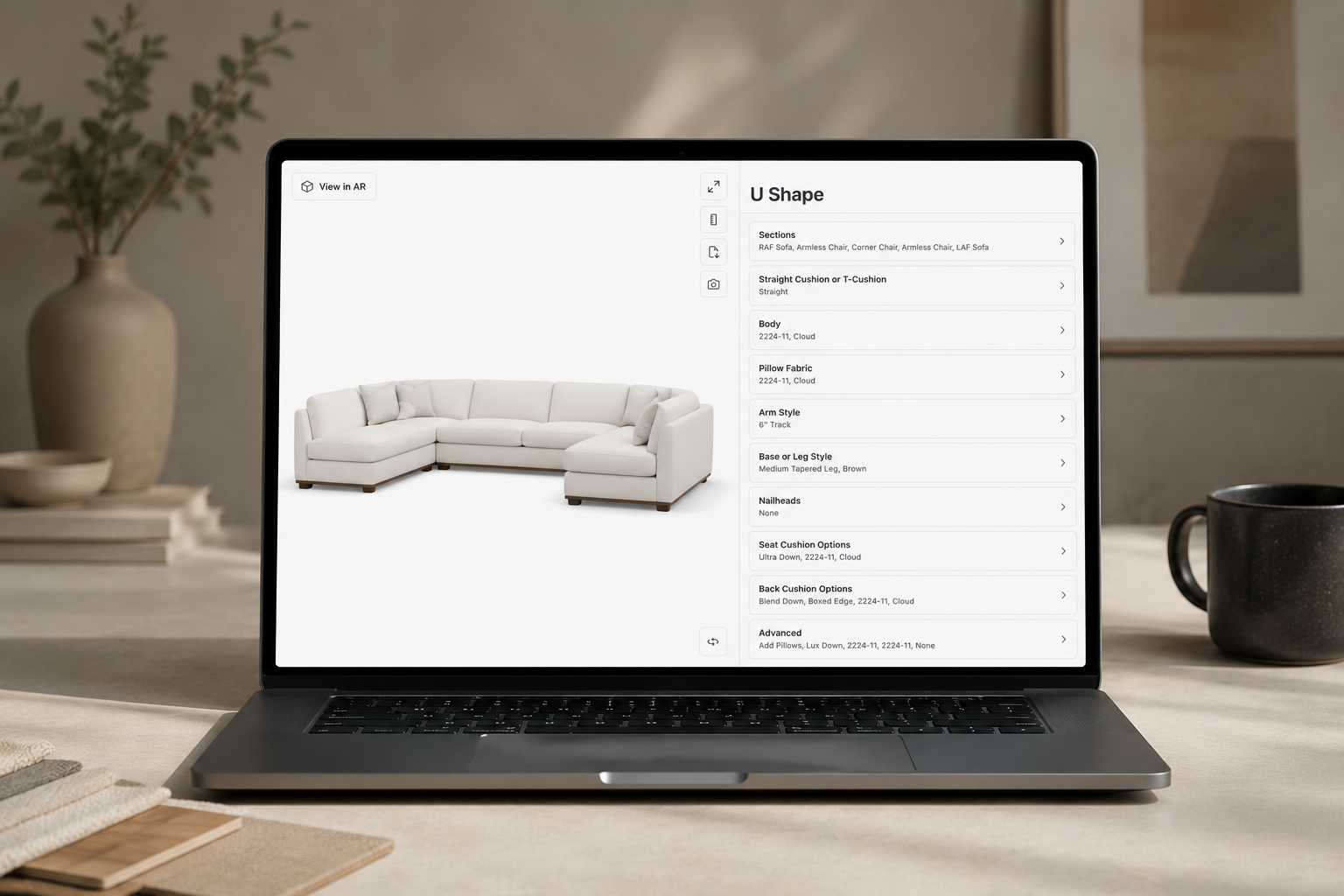
At the same time, many brands have already invested in structured 3D models to power product configurators, digital showrooms, and sales tools. Those models contain detailed geometry, materials, and configuration logic that accurately represent the product. With AI Photo Studio, that same 3D data can now be used to generate production-ready product images instantly.
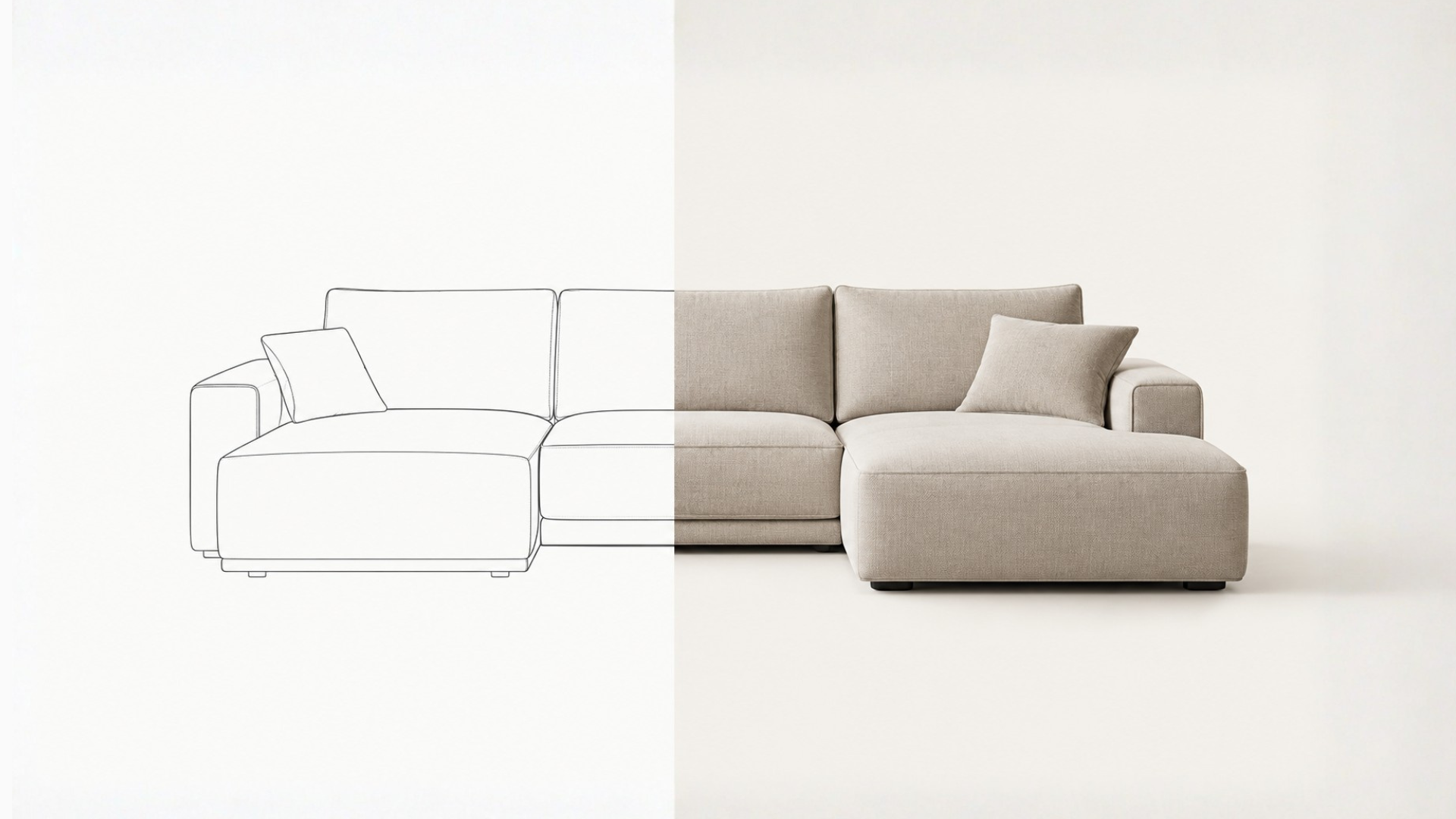
Instead of organizing a new photo shoot or manually rendering every variant, you can generate consistent product silos directly from your 3D catalog. The workflow is simple. Select the product model, configure the variant you want to show, and position the camera. AI Photo Studio then generates a clean, high-resolution silo image that is ready for ecommerce listings, product detail pages, marketplaces, and marketing materials.
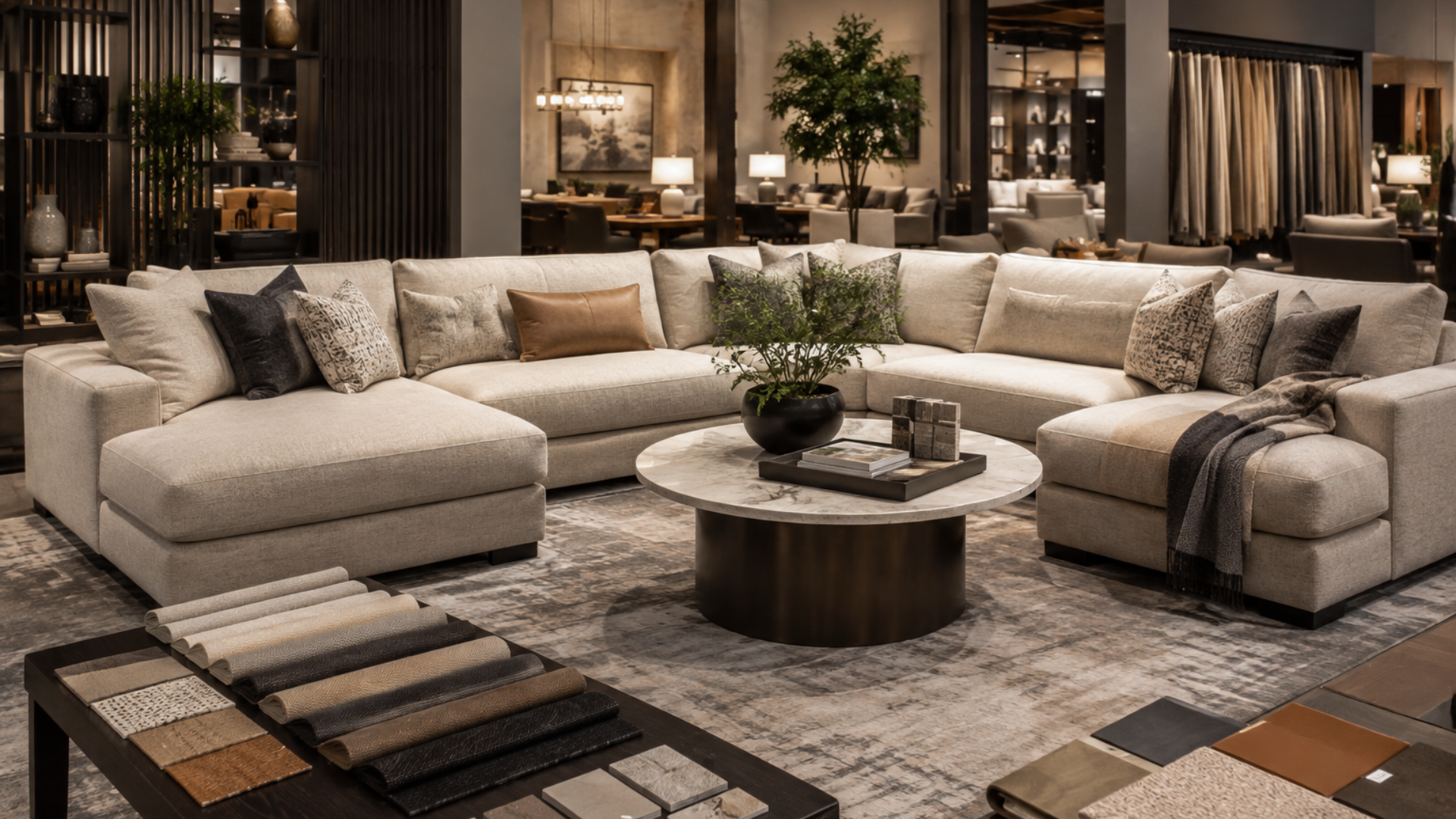
Instead of organizing a new photo shoot or manually rendering every variant, you can generate consistent product silos directly from your 3D catalog. The workflow is simple. Select the product model, configure the variant you want to show, and position the camera. AI Photo Studio then generates a clean, high-resolution silo image that is ready for ecommerce listings, product detail pages, marketplaces, and marketing materials.
Because the image is generated directly from the configured 3D model, the visual accurately represents the product being sold. This helps eliminate common ecommerce problems where customers see a product image that does not match the selected options. Accurate visuals improve trust, reduce confusion, and help customers make purchasing decisions more confidently.
Another major advantage is scalability. Traditional photography limits how many variants can realistically be shown. When images are generated from 3D models, it becomes possible to produce visuals for every available configuration. Brands can quickly generate silos for different materials, finishes, sizes, and product options without scheduling new photography sessions.

For teams managing large product assortments, this dramatically reduces the time and cost required to maintain product imagery. New collections can be visualized immediately, retailers can request additional variants without delay, and ecommerce teams can update visuals whenever products change.
This approach has already proven valuable for companies managing complex catalogs. In a recent project with Theodore Alexander, structured 3D product data was used to generate 1,911 high-quality product images across the catalog. Instead of coordinating multiple photo shoots or manually producing imagery for each product variation, the company was able to create consistent visuals directly from their digital product assets.
Using 3D models as the foundation for visual content production also improves consistency. Every product image is generated from the same structured source of truth, ensuring that proportions, materials, and configurations are represented accurately across every channel. This consistency is especially important for brands selling through multiple retailers, marketplaces, and ecommerce platforms.
AI Photo Studio turns existing 3D assets into a scalable visual content engine. The same model used for configuration can now generate ecommerce silos, marketing visuals, and campaign-ready images on demand. Instead of treating product imagery as a slow production process, brands can generate new visuals whenever they need them.
As product catalogs grow and customer expectations for accurate visuals continue to increase, scalable image generation becomes an essential part of modern furniture ecommerce. When your 3D models power both configuration and image creation, visual content production becomes faster, more flexible, and significantly easier to maintain.
See how you can turn your 3D models into high-resolution product silos with AI Photo Studio.
Related posts

Interested in our solutions?