10 Years in Mixed Reality: Looking Back, and Ahead
Ten years ago, I left behind a corporate career in digital transformation to bet everything on an emerging, uncertain field - Mixed Reality. A decade later, the technology has evolved beyond what I ever imagined. Here’s what I’ve learned from ten years of chasing the future.

When I first saw Augmented Reality in action, it was almost laughably crude. You had to print a marker on paper to make a 3D model appear on a camera feed. Yet even then, I knew this was the beginning of something revolutionary. A few months later, I tried the first Oculus VR headset - a low-resolution, motion-sickness-inducing prototype and my fascination turned into conviction. This was the next chapter of human–computer interaction.
Discovering a New Reality
Around that same time, Google Glass was making headlines, hyped as a futuristic wearable but lacking any true AR capabilities. Still, the concept of interacting with digital content naturally through glasses was irresistible. When Microsoft launched the HoloLens and coined the term Mixed Reality, it felt like the future was arriving fast.
I realized early on that for this future to take shape, five elements had to align: better hardware, reliable computer vision, powerful 3D engines, scalable 3D content creation, and a “killer app” that would draw users in. It was a bold list but one that felt inevitable.
Taking the Leap
In 2015, I made a decision that changed everything. I left the comfort of a steady executive role to start from zero. The shift from corporate to startup life meant trading structure for chaos and learning that radical focus is the only way forward when possibilities are endless.
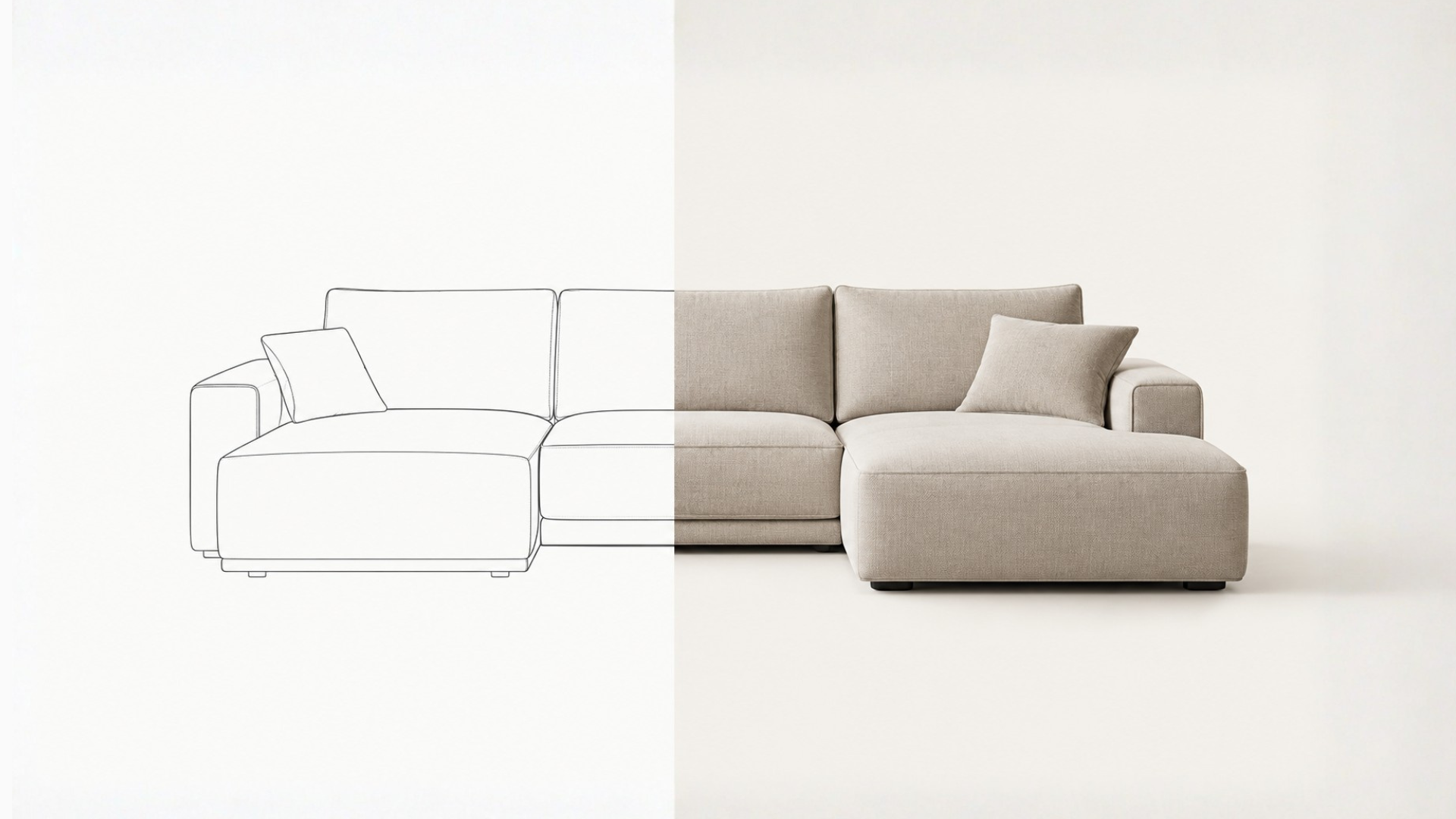
While furnishing our own apartments, we were struck by how hard it is to decide if a sofa will fit or look good. The typical tech solution of building a full 3D model of the space is far too complex for most people. In practice, shoppers rely on rough floor plans, basic 3D layouts, or mood boards, which are time-consuming and not very helpful. Even more shocking to us as tech enthusiasts was that most furniture brands didn’t have 3D assets, especially for configurable products. We couldn’t believe they were selling without proper visualization.
We decided: we have to solve this problem. We came up with our company’s tagline, “Better than you imagine,” which we still use to this day. We decided to channel all our energy into solving this problem. We founded Intiaro with a simple but powerful promise — better than you imagine.
A Decade of Reinvention
Ten years later, that vision has taken us on a remarkable journey. We began as a consumer app in Poland, pivoted to B2B, and then to B2B2C. We entered the U.S. market and found our focus in 3D content creation and product configuration.
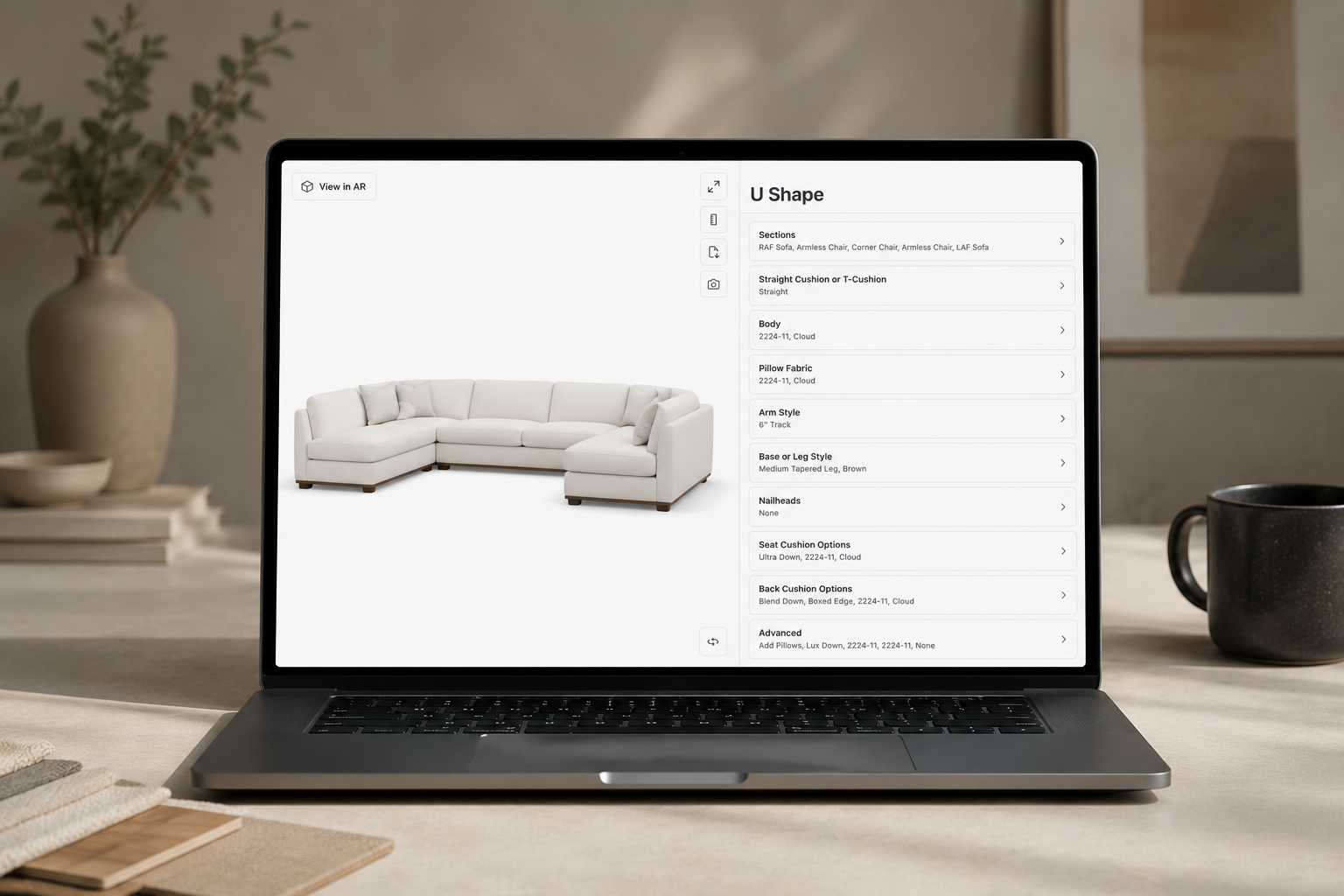
From bootstrapped to VC-backed, Intiaro has continued to grow. Today, we serve over 40 major North American furniture brands, render millions of images monthly, and have built technologies like our RTX-powered Rendering Cloud, PolGen 3D procedural asset generation, and even our own CPQ system.
While our roots are in Mixed Reality, we’ve become a Visual Commerce company helping brands bridge imagination and reality through visualization tools like WebAR and Apple Vision Pro experiences.
Where Mixed Reality Stands Today
So, where does the industry stand a decade later? Hardware has advanced dramatically, but MR headsets haven’t replaced smartphones yet. Apple and Meta have proven there’s demand, but true mass adoption will take a few more years.
Computer vision has leapt forward, shedding printed markers in favor of real-time spatial understanding powered by ARKit, ARCore, and deep learning. 3D engines now render lifelike images indistinguishable from photographs.
3D content creation remains the toughest challenge - not for lack of technology, but because accuracy and realism take time and expertise. Yet adoption is accelerating. For large furniture brands, visualization has become a core part of the sales process, and the rest of the market is catching up fast.
The Next Chapter
There’s still no single “killer app” for MR but we’re getting closer. From virtual monitors to AR furniture placement, the use cases are multiplying. I believe sleek glasses for video could be the turning point, offering immersive experiences in everyday life without bulky headsets.
In the next three to five years, we’ll see glasses that rival phones, real-time visuals indistinguishable from reality, and AI systems capable of building perfect digital twins. The line between imagination and the physical world is fading and that’s exactly where Intiaro thrives.
“Looking back on the last ten years, I’m as excited as when I started. The dream is closer than ever and the best part of the story is still ahead.” Pawel Ciach (CEO and Co-Founder at intiaro)

See how Intiaro’s newest solution, AI Photo Studio, is bringing the next leap in visualization - transforming 3D models into stunning, lifelike lifestyle scenes in seconds.
Related posts

Interested in our solutions?